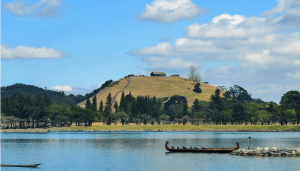
Impact of Volcanoes

LI: To discuss the impact of volcanoes on the environment and human communities.

Our challenge was to research the impacts specific volcanoes had inflicted. From in between Mt Tarawera and Whakaari, we pick from one of those two that erupted in Aotearoa. For this subject, me and my collaborating buddy chose to research the Wakaari White Island, as our volcano to research about out.

We found out that over 22 people/tourists died after the Whakaari erupted. (It was still very active when those 22 people took a visit to the Island.)

I found this task interesting because we just found out that it last erupted in December 9, 2019. (The year before the pandemic started.)

Volcano Poem

LI: To write a multi verse cinquain poem that describes the journey of a sleeping maunga that erupts

For this period, we have been exploring about cinquain poems. A cinquain poem has 5 lines in total. Each of every line serves different roles. Such as nouns, adjectives, verbs, and a noun phrase. Noun plays as the name of a thing or something that you can touch. Adjectives describes the noun, verbs are action words that ends with ‘ing’ . Noun phrase. A noun phrase is a group of words. Four of them in total. (Noun phrases doesn’t need a sentence that could look like a whole paragraph. All we need is four words in total in a Cinquain Poem.) And lastly, a synonym. A synonym is one word that describes the other, in a similiar way. (Or a word that means the same, but said or worded in a different way.)

Something I found interesting about this was how our Cinquain Poem went from dormant, waking up, erupting, exploding and finished from erupting once again.

How Volcanoes Erupt

For this period. We made an animation of how volcanoes erupt using Google Slides! The slides on top of this text has a maximum of 134 slides. Showing the teamwork me and my group made altogether. We shared all our ideas and knowledge about volcanoes and how it erupts, by talking and putting it in Google Slides for animation!

Something I found interesting task was how the lava all hardens/solidifies into a hard type of rock after it has finished erupting.

I enjoyed this activity because I get to share my ideas with my friends.

Samuel Marsden – Podcast

LI: To interview Samuel Marsden using Adobe Podcast


For this project, we made a script to involve and question Samuel Marsden. (Which we decide who in our group will pretend to be him.)
Using by the way we speak, we use our tone of voice in order to make the interview with feelings and emotion. We worked as a group and made sure everyone is included by recording the Podcast.

I found this activity fun to do because I had fun recording with my group!

The Tamaki River Walk

LI: To understand the concept of visual storytelling


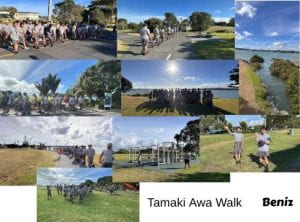
For this activity, our class went for a walk to the Tamaki Awa/River with LS1 and other different classes to see and think what Samuel Marsden felt in the olden days! During the walk, our teacher took a picture of us to make a collage, as it is shown in the image right above in the slides but in time order!

Something I enjoyed in this activity was spending time with my friend during the walk, along when it was time to eat when we arrived to our destination!

Camp Collage

LI: To create a collage of images or short movie that reflects my time at camp

Our camp in Kokako Lodge was a fun and a memorial place in our hearts! The image also shows my photo collage from camp which reveals the activities we have been doing while we were at camping. My favourite part of camp was when my group was doing archery, not only because we learnt how to use the bow and arrow using our body, fingers, hands and strong eye but also because we collaborated together in every activity!

I found the activities at camp enjoyable because it is a moment I will always remember in my heart.

A Moment in Time

LI: To write a poem that describes a moment in time

At camp we engaged in many activites to try! Our challenge for today is to create A Moment In Time Poem about one of our activities during camp alongside with using our words wisely. As we construct this Poem, we describe with our own words, and use WordHippo to help us find more easy words to understand and painting a clear picture of what we were describing in the minds of our readers. We have also tried to described what it was like riding the raft that me and my group made together. Me and my working buddy chose the Raft Building as our challenge poem because it was interesting to have a try!

Preventing Kauri Dieback

LI: To understand how we can help prevent Kauri Dieback disease and why we need to do this.

Our of our activities during camp was to walk throught the Cossey-Massey track at Hunua. Before continuing up the trail and bush, we clean  and make sure our shoes are disinfected (Because we humans are the cause of the Kauri Dieback disease!) This DLO tells us why we are required to do these and why we should help prevent the disease to spread even more! I think this is an important message to share because this warns us everything about the Kauri Dieback disease and how it is slowly killing our trees!

I found this activity nice to do because it will warn other people to clean their shoes before entering the bush!

The Kokako

LI: To use our smart searching skills.

Our Year 7-8 camp was at Kokako Lodge in Hunua. Our challenge for today was to search information about the North Island Kokako Bird and construct a chart in Google Draw to share the facts we learnt about the North Island Kokako! Something I found interesting while learning in this activity was, that the Kokako eats different food resources dedpending on the season!

I enjoy this activity, because I learnt more about the North Island Kokako Bird!

What did Samuel Marsden see?

LI: To use the information in the diary extract to create an image of what we think Samuel Marsden saw when he sailed down the Tamaki awa.


We used Adobe Express to make our AI image in order to describe what Samuel Marsden saw back in the 1940’s! (The first image is the AI and the second image is before the AI) After doing the finishing touches we put it in the google slides to share what we thought Samuel Marsden saw when he sailed down the Tamaki Awa River (Or to double  check if our work is completed or not) We included more trees, less houses, older patterns and wakas to represent the past! And something we learnt was there were only three or four houses in the past.